
If you’re planning a move to Florida, you’re not alone. With no state income tax, beautiful coastlines, and year-round sunshine, the Sunshine State continues to attract new residents every day. But before you pack the moving truck, there’s one area that deserves serious attention:
Insurance in Florida is very different from most other states.
From hurricanes to flood zones to rising premiums, understanding how insurance works here can save you thousands of dollars, and a lot of stress.
This guide breaks down everything you need to know about insurance when moving to Florida, including home, auto, flood, and more.
Florida presents a higher risk environment than most states due to:
Because of this, insurance costs can be higher and coverage options more complex than what you may be used to.
Florida has some of the highest homeowners insurance rates in the U.S. Premiums can vary widely depending on:
A newer home with hurricane protections can save you thousands annually.
Most Florida policies include hurricane/windstorm coverage but with a catch:
Hurricane deductibles are separate and higher (typically 2%–5% of your dwelling coverage)
Example:
If your home is insured for $400,000 and you have a 2% hurricane deductible, you pay $8,000 out of pocket before coverage kicks in.
In Florida:
Before buying a home, always check:
This can make or break your insurability.
Most insurance carriers in Florida need a few different types of inspections to insure your home.
A wind-mitigation and four point inspection may be required as well as the general home inspection you may be used to in your state.
These reports specifically show how your Florida home can hold up to those Florida risks based on how it was built and what updates have been made.
Luckily, these inspections are not overly expensive and will typically qualify for a few years.
During the last insurance downturn, most of the big national brand named insurance carriers pulled out of Florida.
What does this mean for you?
Take a look at our home insurance page for more details: https://tueriinsurance.com/home-insurance
Here’s a common mistake:
That’s risky.
In Florida, flood insurance is often one of the best value policies you can buy.
Take a look at our flood insurance page for more details: https://tueriinsurance.com/flood-insurance
Florida operates under a no-fault insurance system, which means:
Florida does NOT require:
If you don’t carry Bodily Injury coverage and cause an accident, you could be personally liable to pay for all the damages and medical expenses of those you hit.
Take a look at our auto insurance page for more details: https://tueriinsurance.com/car-insurance
If you’re buying a condo:
Make sure you understand:
Take a look at our condo page for more details: https://tueriinsurance.com/condo-insurance
Where you live in Florida matters a lot.
Even being a few miles inland can significantly reduce costs.
If you can’t find coverage in the private market, Florida offers a last-resort option:
Important:
When moving to Florida, these factors matter most:
Here’s how to lower your costs:
✔ Get a wind mitigation inspection
✔ Choose a newer or updated home
✔ Bundle home and auto policies, but compare carefully because bundling is not always the best option in Florida.
✔ Increase deductibles (if financially comfortable)
✔ Shop multiple carriers (this is huge)
✔ Consider private flood insurance options
Avoid these:
❌ Waiting until closing week to shop insurance or just shopping your home insurance early
❌ Assuming coverage is the same as your previous state
❌ Skipping flood insurance
❌ Not reviewing hurricane deductibles
❌ Buying a home without checking insurability
Start early:
At least 2–3 weeks before closing on a home
This gives you time to:
Moving to Florida is exciting but insurance here isn’t something you want to figure out last minute.
The key takeaway:
The right insurance strategy in Florida isn’t just about price, it’s about protection and long-term stability.
Working with an agency that can shop multiple carriers and understands the Florida market can make a massive difference in both coverage and cost.
If you’re moving anywhere in Florida and want personalized guidance, getting quotes early and reviewing your options can save you time, money, and headaches.
Give one of our Insurance Guardian Consultants a call today for personalized and free guidance! (888) 587-2575


Buying a home in Florida? Learn why new homeowners should consider life insurance, how it can help protect your mortgage, and which policy options may fit your family.

Home insurance can be complicated with coverages, deductibles, and terminology many haven’t heard of. Then you come to Florida and the complexities increase. If you own a home or are looking to buy a home in Florida, you’re about to get well antiquated with the Florida inspection process – whether you like it or not.
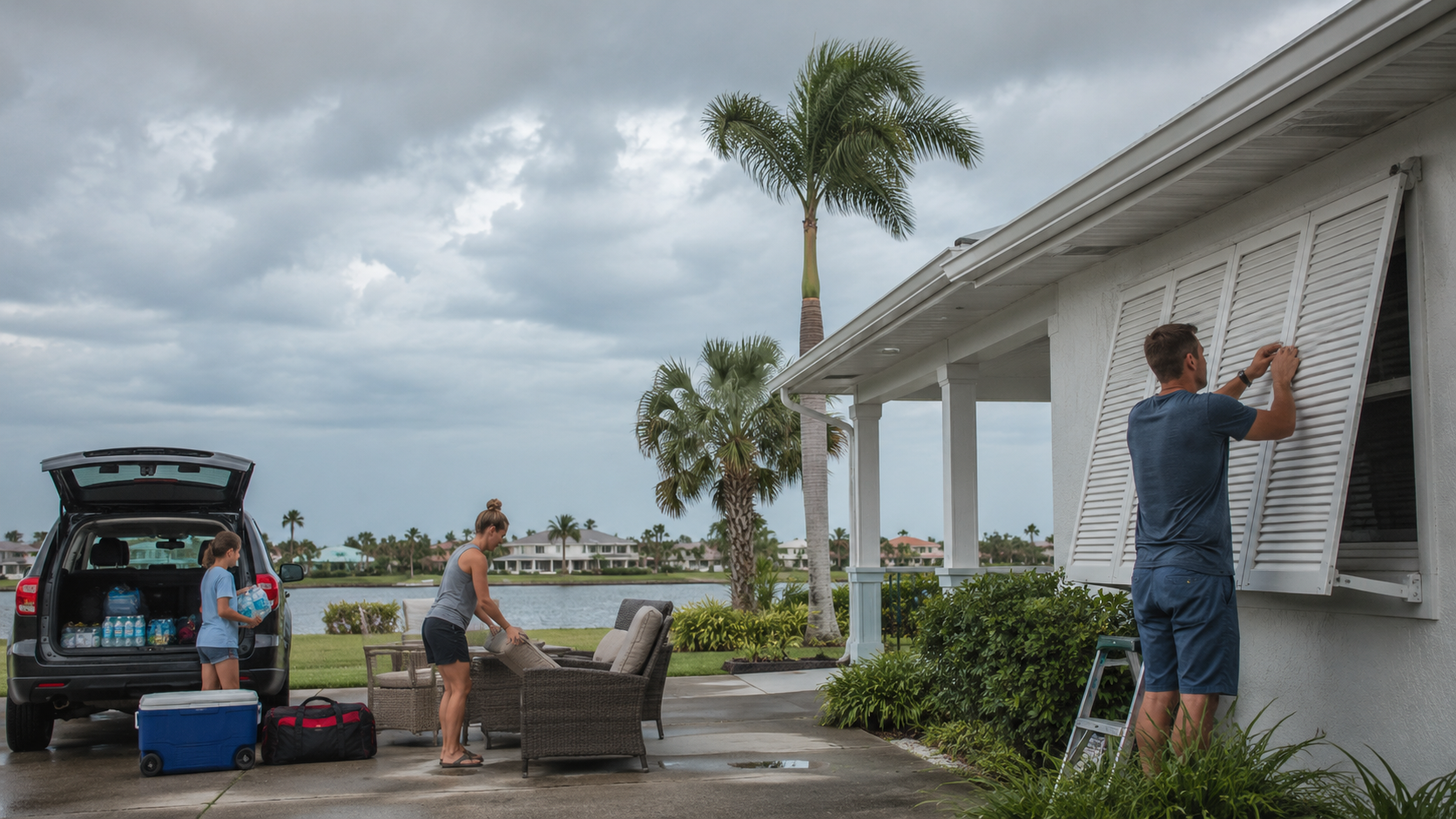
Hurricane season in Florida is not something to take lightly. Are we actually prepared, or are we just hoping the storm misses us?



Monday - Friday
9am - 6pm
Serving all of Florida, based out of:
1991 Industrial Dr, STE 122
DeLand, Fl 32724
© 2024 Tueri . All Rights Reserved.


