
Owning a home in Florida is expensive. Insurance premiums are among the highest in the U.S., and recent hurricanes and litigation have pushed many insurers to raise rates or exit the market. Yet there are practical steps you can take today to reduce your premium without sacrificing critical protection. This guide draws on current research, state‑program updates and expert advice to show you how to review your policy, maximize available discounts and shop for coverage effectively as Florida’s market evolves. A bonus section explains why the lowest price is not always the best deal.
Many homeowners set up insurance payments through escrow and never look at the details again. In Florida’s fast‑changing market, that’s risky. A Florida property‑insurance checkup helps ensure that your coverage keeps pace with rising construction costs, code changes and new hazards. Homeowners should review their policy documents annually to examine coverage limits, deductibles, exclusions and endorsements and look for any language changes since the previous year. The same guide recommends making a recurring reminder so you don’t miss this important task.
Most homeowners policies include several parts. According to Chapman Insurance Group, you should make sure your policy covers dwelling (the structure), personal property, liability and additional living expenses. Separate endorsements may be required for hurricanes or flood losses since standard policies often exclude flood damage. When reviewing your policy: Check replacement‑cost limits: Your dwelling coverage should reflect today’s cost to rebuild, not market value. Underinsuring can leave you short when materials and labor prices rise. Aim to insure for 100 % of replacement cost, especially as construction costs in Florida rise every year. Review personal property limits: Sub‑limits may apply to valuables like jewelry or electronics. Keep a home inventory with photos, videos and receipts so you know what needs to be insured. Evaluate liability limits: Liability pays if someone is injured on your property. Make sure limits reflect your assets, especially if you have a pool or trampoline. Our Insurance Guardian Consultants will help find the right coverage for you. Examine additional living expenses: This covers the cost of temporary housing if a covered loss forces you out of your home.
Unlike regular deductibles, hurricane deductibles in Florida are a percentage of your dwelling coverage, typically 2% to 10%. A 2% deductible on a $300,000 home means you must pay $6,000 before coverage kicks in. Higher deductibles can lower premiums, but make sure you can afford the out‑of‑pocket cost.
We know this is a guide to savings; however, while you're reviewing your policies, there are a few more items you should look into. Florida’s real‑estate market moves quickly, and upgrades can dramatically change your coverage needs. Homeowners should update their policy whenever they remodel a kitchen, add a screened porch, or purchase high‑value items. Other triggers include family changes (birth, new occupants), major purchases, or changes in local risk such as revised flood maps. Documenting improvements and notifying your insurer can also unlock premium discounts. Major and complete revamps to plumbing, electrical, or heating systems may qualify you for additional savings.
Many Floridians discover gaps only after a loss. Some common gaps are: lack of flood coverage, windstorm exclusions or high deductibles, paying actual cash value instead of replacement cost, insufficient coverage for updated building codes (ordinance‑or‑law coverage), and low sub‑limits for high‑value items. Address these gaps before a storm hits.
Florida law requires insurers to offer premium discounts for wind‑mitigation features. In addition, companies provide credits for security systems, multi‑policy bundles and other risk‑reducing measures. Don’t a
A wind‑mitigation inspection evaluates how well your home can withstand hurricane winds. Citizens Property Insurance Corporation explains that documenting features such as impact‑rated windows and doors, storm shutters, wind‑rated roofing materials, reinforced roof‑to‑wall connections and hip roofs can qualify you for significant wind‑mitigation discounts. An inspection should be performed by an authorized inspector such as a licensed contractor, engineer, architect or certified home inspector.
The Florida Office of Insurance Regulation notes that discounts may also be available for a variety of improvements and behaviors. Not all carriers offer every discount, but common credits include:
- Multi‑policy or bundling discounts: Save by insuring your home and auto with the same company
- Protective devices: Credits are available for burglar alarms, monitored security systems, smoke detectors and fire alarms. Water‑leak detection devices may also qualify.
- Secured or gated community: Living in a monitored community can reduce premiums.
- Senior/retiree discounts: Many insurers automatically apply savings when a named insured is 55 or older.
- Military and veterans discounts: Some carriers provide special rates for active‑duty service members and veterans.
- Insurance‑score or claims‑free discounts: Maintaining good credit and a claims‑free history can lead to lower premiums. Paying the premium in full instead of in installments may also earn a credit.
- Roof age and shape: A new roof or a hip roof (which resists wind better) can lead to reduced premiums.
Florida’s insurance landscape has begun to stabilize after years of turmoil. New carriers and legislative reforms are creating more competition, but premiums remain among the highest in the nation and underwriting standards vary widely. Shopping your policy until you is essential.
According to a June 2025 press release from the Florida Office of Insurance Regulation, 14 new companies had been approved to write residential policies since recent legislative reforms. Domestic property insurers reported $944 million in net income at the end of 2024, reversing losses from previous years. The same release notes that 27 companies filed for rate decreases and 41 filed for no change or 0 % increases, suggesting that competition is improving.
Rates vary widely between companies because each uses different underwriting models and risk data. One carrier may offer significantly lower premiums while providing better coverage due to its underwriting appetite. At Tueri, we can compare multiple carriers to find the best value, not just the lowest price. As an independent agency we partner with multiple carriers, allowing homeowners to find the right balance of coverage and cost while benefiting from local expertise and dedicated claims support.
It’s tempting to choose the lowest premium, but the cheapest policy may leave you dangerously underinsured. When comparing policies, homeowners should ask whether coverages are truly comparable, whether valuable endorsements are included or excluded and how the insurer handles claims. At Tueri, our Insurance Guardian Consultants shop for value—not just price—because better coverage and claims service can save far more money in the long run.
Here’s why price shouldn’t be your only consideration:
Remember that your home is likely your largest asset. Paying a slightly higher premium for robust coverage can prevent financial catastrophe after a disaster. Make sure you have an expert in your corner who understands your situation and can customize your policy to fit your life.


Buying a home in Florida? Learn why new homeowners should consider life insurance, how it can help protect your mortgage, and which policy options may fit your family.
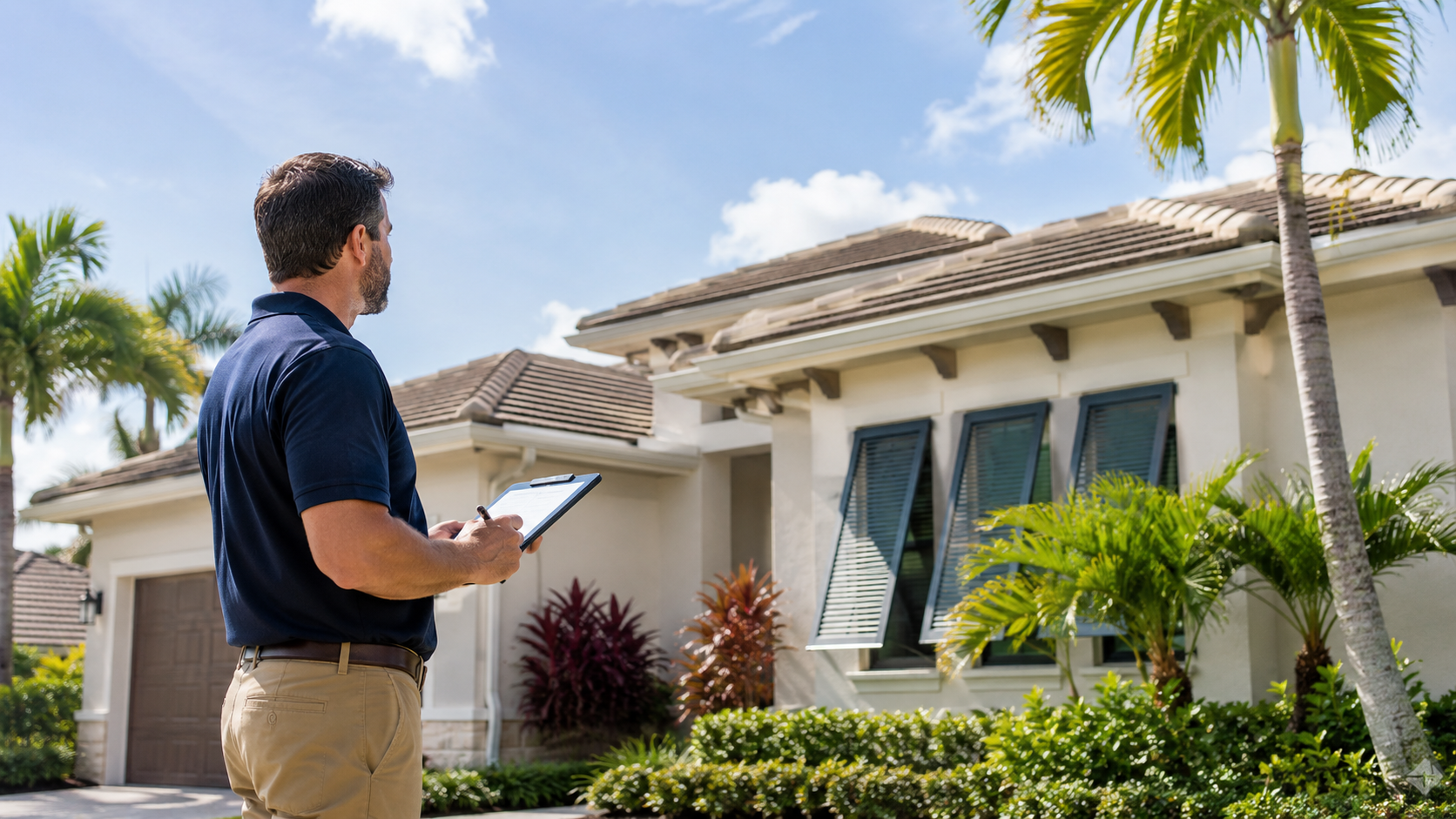
Home insurance can be complicated with coverages, deductibles, and terminology many haven’t heard of. Then you come to Florida and the complexities increase. If you own a home or are looking to buy a home in Florida, you’re about to get well antiquated with the Florida inspection process – whether you like it or not.
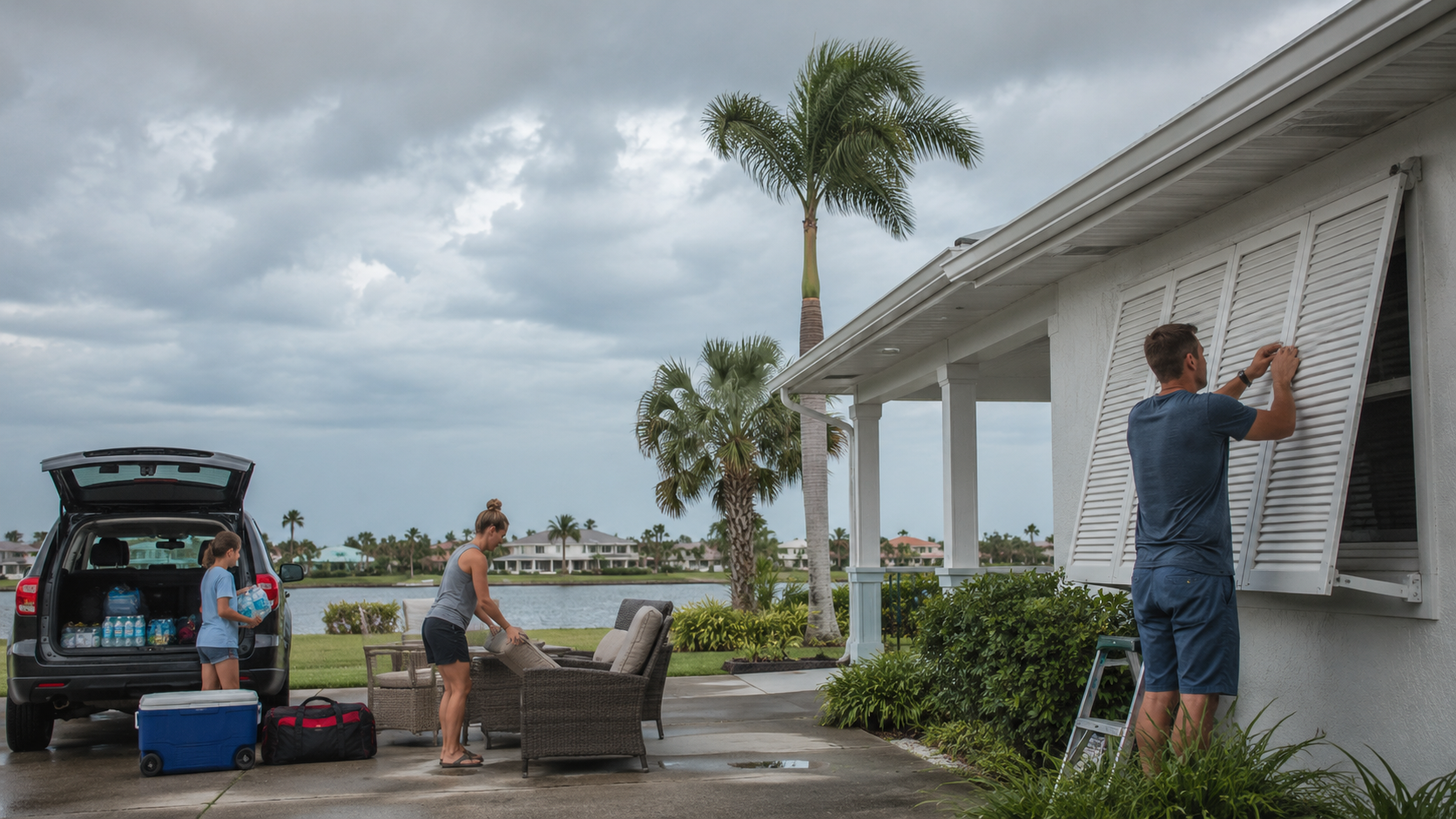
Hurricane season in Florida is not something to take lightly. Are we actually prepared, or are we just hoping the storm misses us?



Monday - Friday
9am - 6pm
Serving all of Florida, based out of:
1991 Industrial Dr, STE 122
DeLand, Fl 32724
© 2024 Tueri . All Rights Reserved.


